CONFERENCE
Industry Day
Industry Day is an initiative of the University of Latvia that establishes an interdisciplinary collaboration platform bringing together students, researchers, entrepreneurs, and public sector representatives. Each event focuses on a specific industry—such as ICT, medicine, artificial intelligence, among others—with the aim of addressing sector-specific challenges and fostering innovation development. The event is designed to inspire students and provide them with practical skills and networks necessary to develop ideas and transform them into real-world solutions.
Industry Day activities include:
Inspirational lectures delivered by industry professionals;
Panel discussions on strategic development issues;
Practical workshops (masterclasses), where students work in teams to solve real-life challenges.
The event promotes knowledge and technology transfer while strengthening collaboration between the University of Latvia and industry.
The objective of Industry Day is to create a dynamic and interdisciplinary collaboration platform that enhances connections between students, researchers, entrepreneurs, and public institutions. Its primary goal is to provide students not only with in-depth insights into industry trends but also with opportunities to actively engage in innovation processes.
Industry Day is intended to become a regular component of the University of Latvia’s innovation ecosystem, ensuring its long-term sustainability. Its format is highly adaptable to various thematic areas, allowing expansion into new fields or industry domains. The event can also serve as an idea generation stage for pre-incubation and incubation programmes.
The event is organized by the University of Latvia Innovation and Acceleration Center within the ERDF co-funded project No. 1.1.1.7/1/25/A/005 “Innovation Grants for Students of the University of Latvia.”
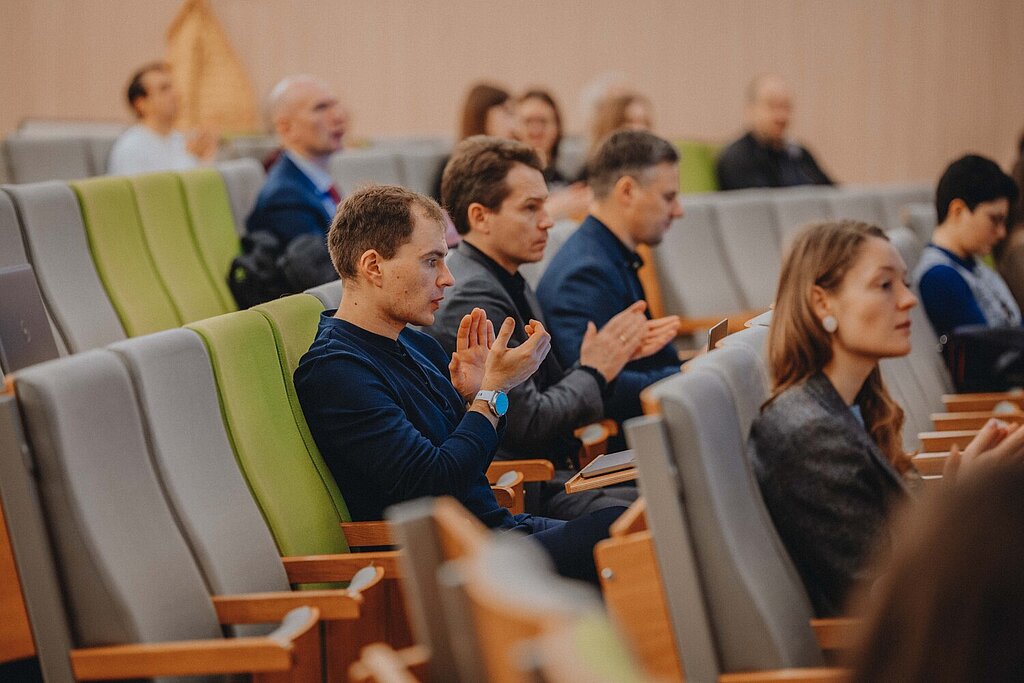
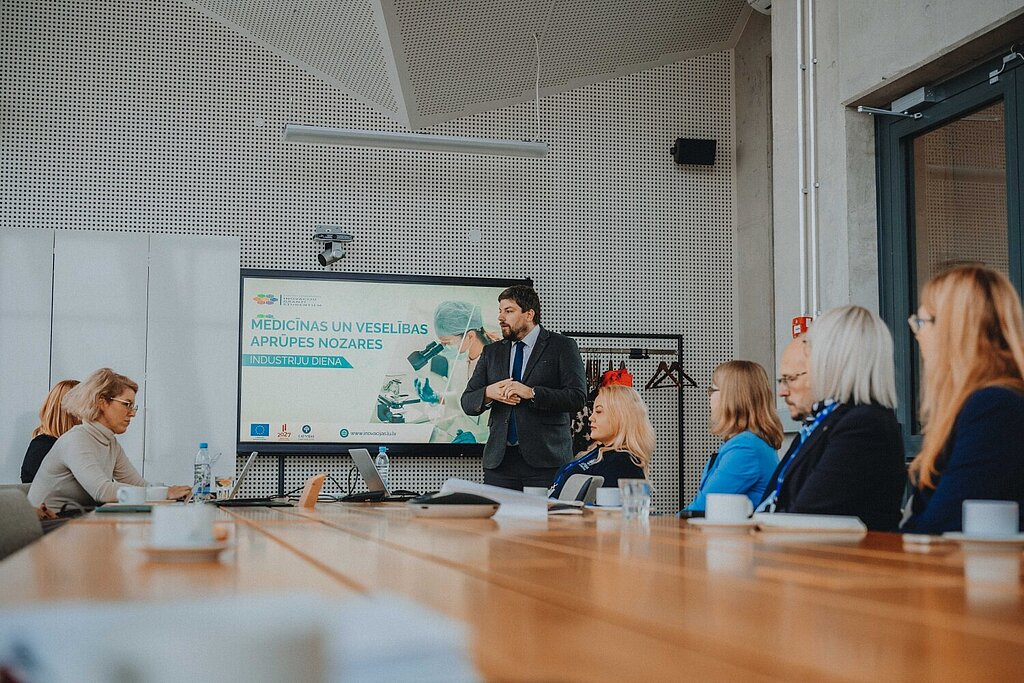
On 5 November 2025, the University of Latvia (UL) hosted the Medical and Healthcare Industry Day at the House of Nature, bringing together students, industry professionals, researchers, entrepreneurs, and policymakers on an interdisciplinary collaboration platform.
The event was opened by UL Vice-Rector for Science Guntars Kitenbergs and Vice-Dean of the Faculty of Medicine and Life Sciences Stella Lapiņa, who emphasized the importance of strengthening cooperation between academia and the healthcare sector to jointly develop innovative solutions and support the professional growth of young specialists.
The introductory session featured keynote addresses from leading experts in the field. Juris Mencis, Head of the Technology Representation at the Investment and Development Agency of Latvia (LIAA), presented opportunities in innovation, technology, and investment within the medical sector. Gunita Deksne, Director of the UL Innovation and Acceleration Centre, outlined the support mechanisms available at the University for developing new ideas, while Luize Madara Ziedina, Head of the EIT Health Hub, introduced the opportunities and open calls offered by EIT Health.
The main programme included two parallel panel discussions. The panel “Medical Data and Technologies,” moderated by Martins Boroduskis, brought together Edvins Kazuss (founder and board member of the Central Laboratory), Lauris Vidzis (Chairman of the Board at Pauls Stradins Clinical University Hospital), Bernhards Bertulis (Master’s student at UL), and representatives of the startup “anna app,” Elina Pika-Lepere and Zanda Freimane-Dulbe. The discussion addressed topics such as the application of artificial intelligence and digitalisation in healthcare, data quality and accessibility, ethical considerations, biotechnology development, and the practical implementation of medical technologies.
Simultaneously, the panel “Public Health,” moderated by Jurijs Jastrzembskis, featured Margarita Jahimovica (doctoral student at UL), Henrijs Kalkis (Head of the Human Factors and Work Environment Division at UL), Lasma Polikevica (personal development coach and psychologist in training), and Zane Smite (researcher at UL). The discussion explored issues including health literacy, ergonomics and cognitive ergonomics in modern technological environments, mental health, professional burnout and imposter syndrome, as well as the role of physical activity and sports in societal well-being.
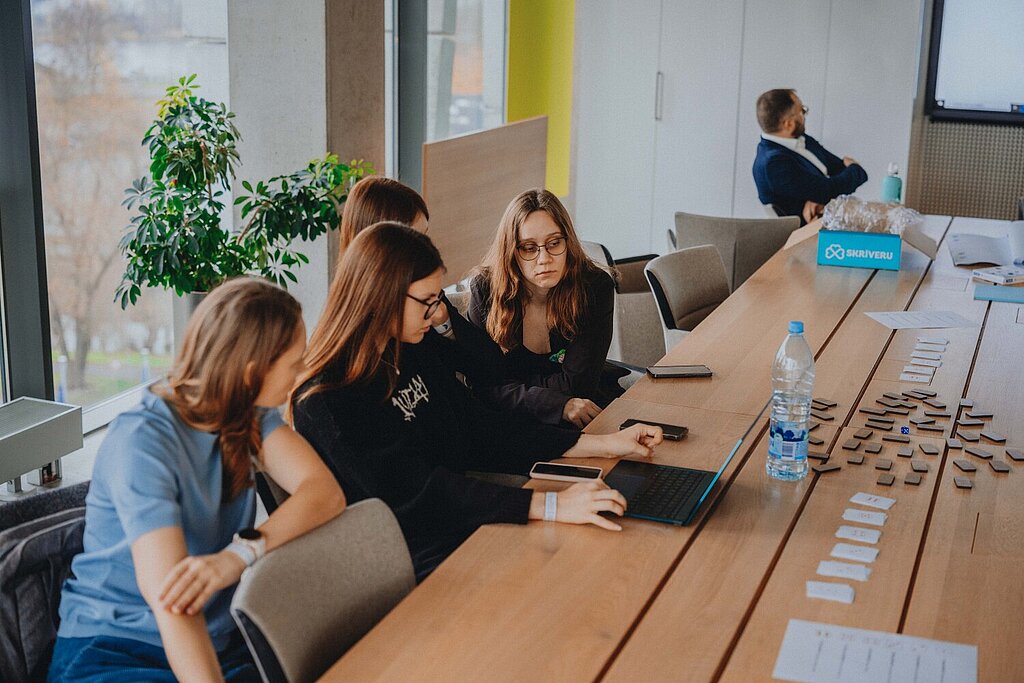
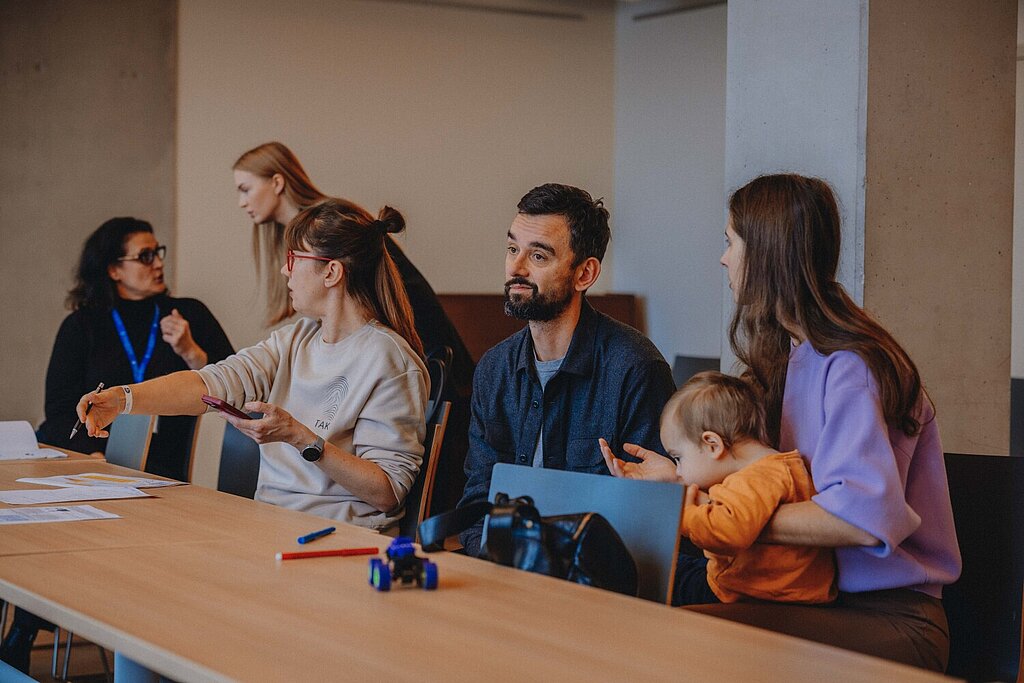
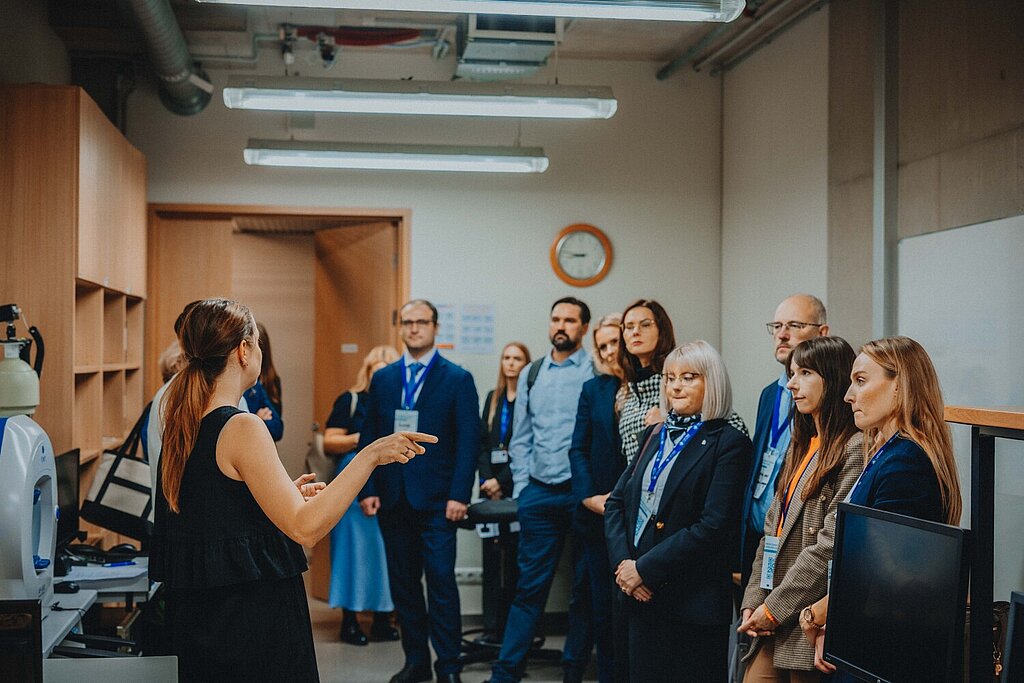
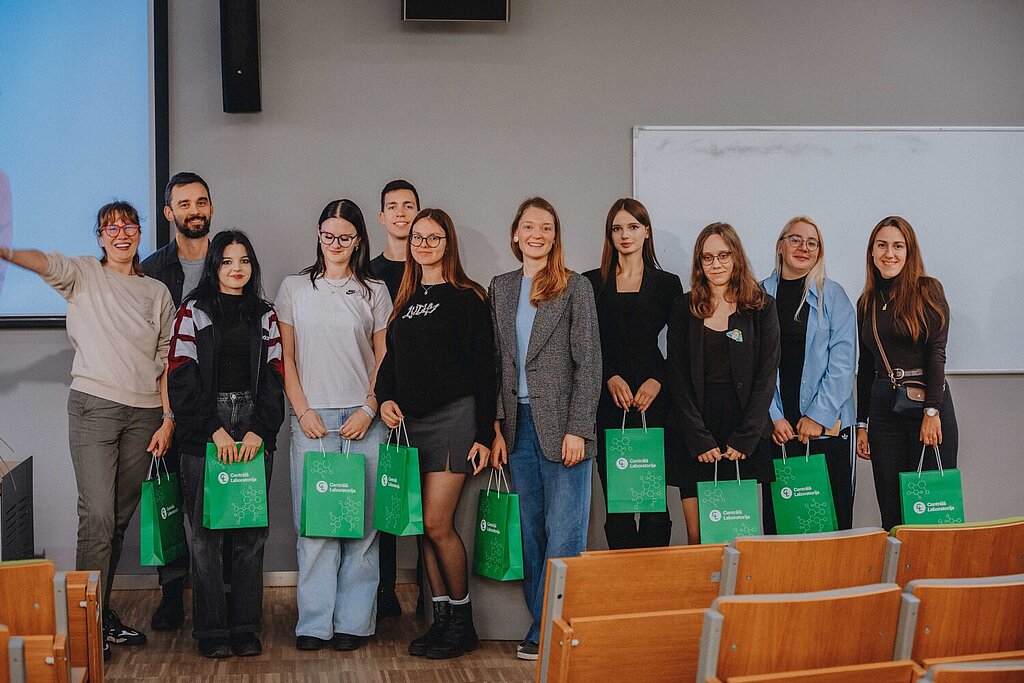
In the afternoon, students participated in practical workshops across two thematic tracks. In the medical data and technologies stream, Ilva Trapina led a personalized medicine simulation exercise, while in the public health stream, Deniss Prokopenko facilitated a business sales simulation game. Concurrently, industry representatives took part in guided tours of UL laboratories, gaining insight into research infrastructure and capabilities in optometry, biomedicine, and cell and tissue testing, as well as opportunities for collaboration with the University.
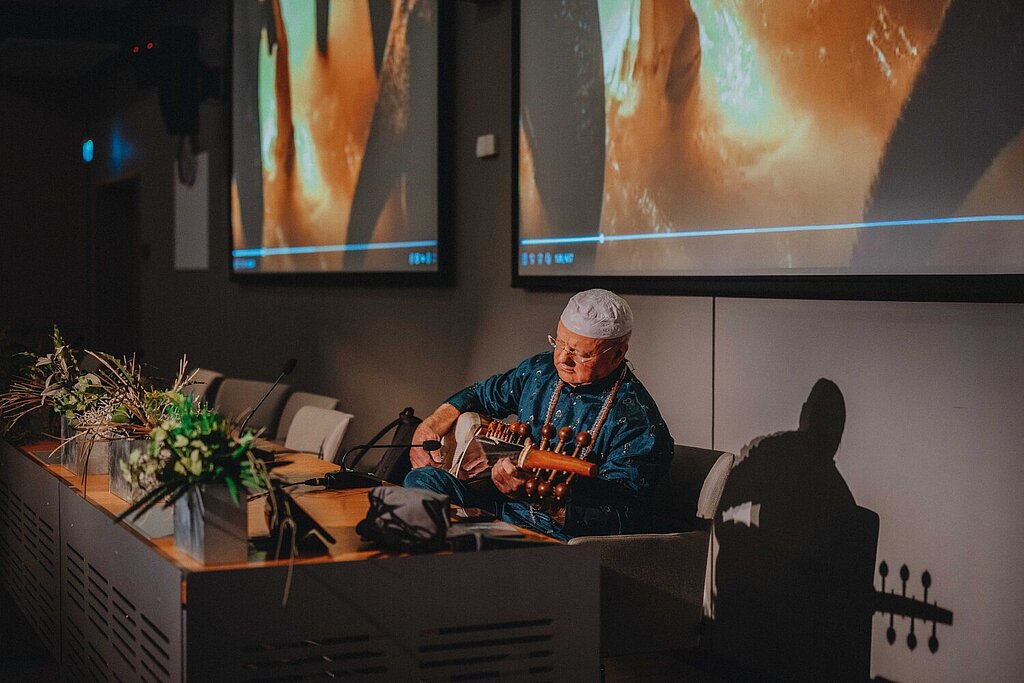
The event concluded with a well-being masterclass led by Arnis Silins from the UL International Indian Studies Centre. Participants explored aspects of mental health and engaged in a meditation session, closing the day in a balanced and reflective atmosphere.
Special thanks are extended to the Central Laboratory, the UL Riga Medical College, and Pauls Stradins Clinical University Hospital for their support in organising the event and their contribution to the development of the next generation of specialists.
The event is organized by the University of Latvia Innovation and Acceleration Center within the ERDF co-funded project No. 1.1.1.7/1/25/A/005 “Innovation Grants for Students of the University of Latvia.”

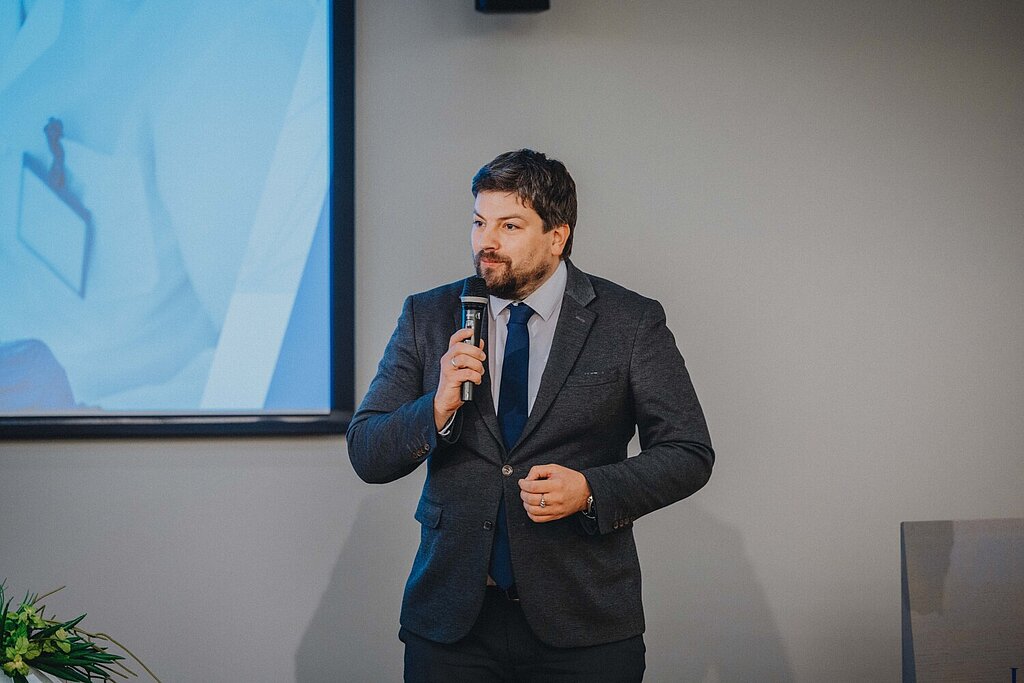
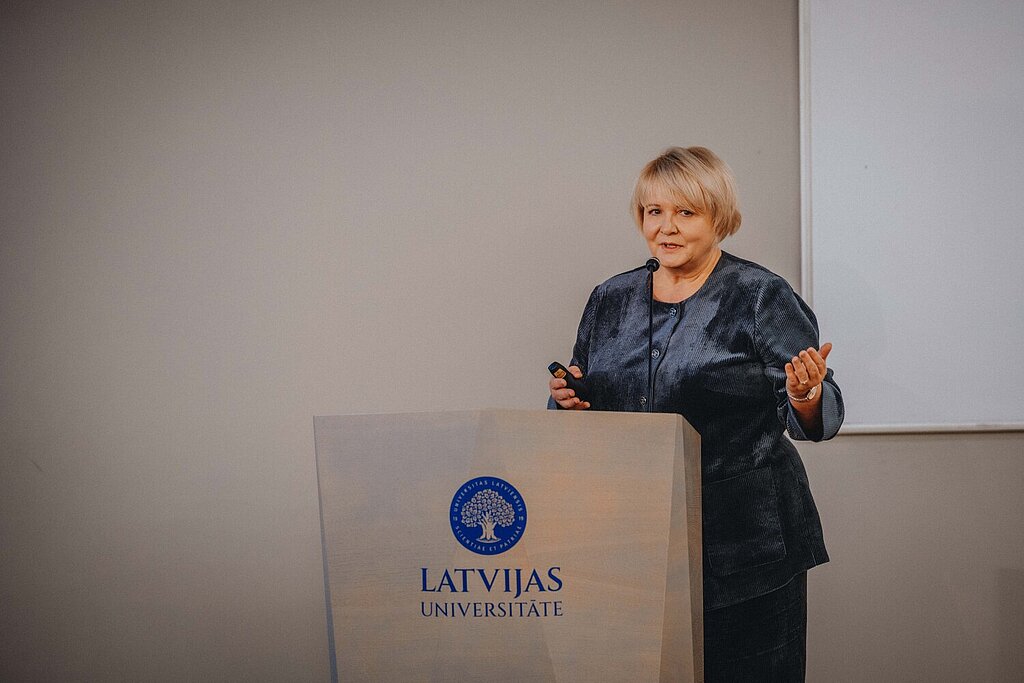
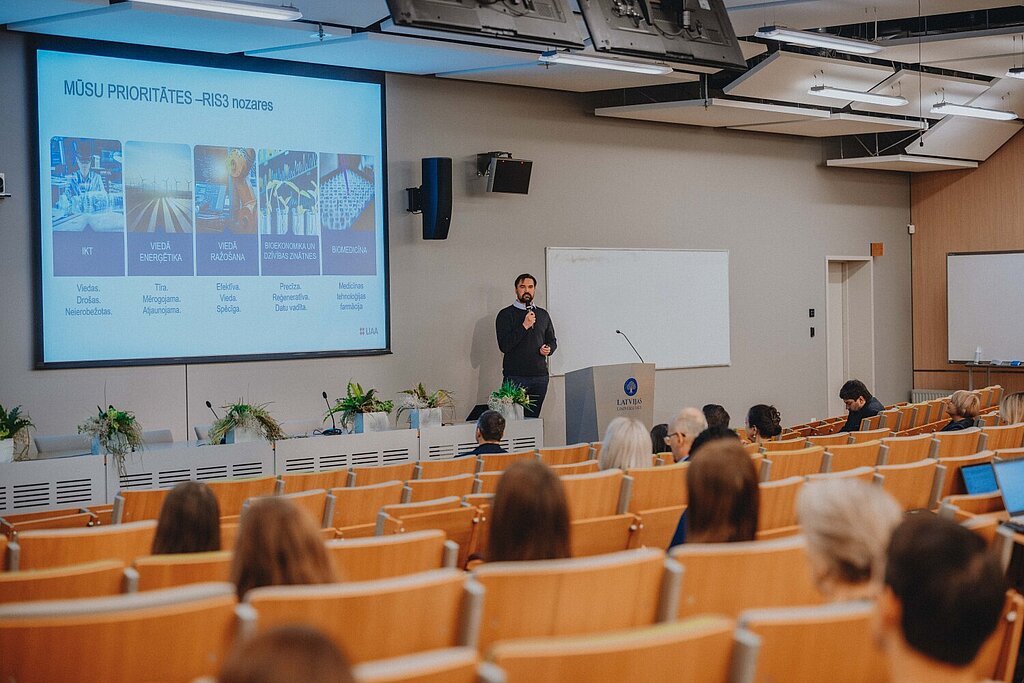
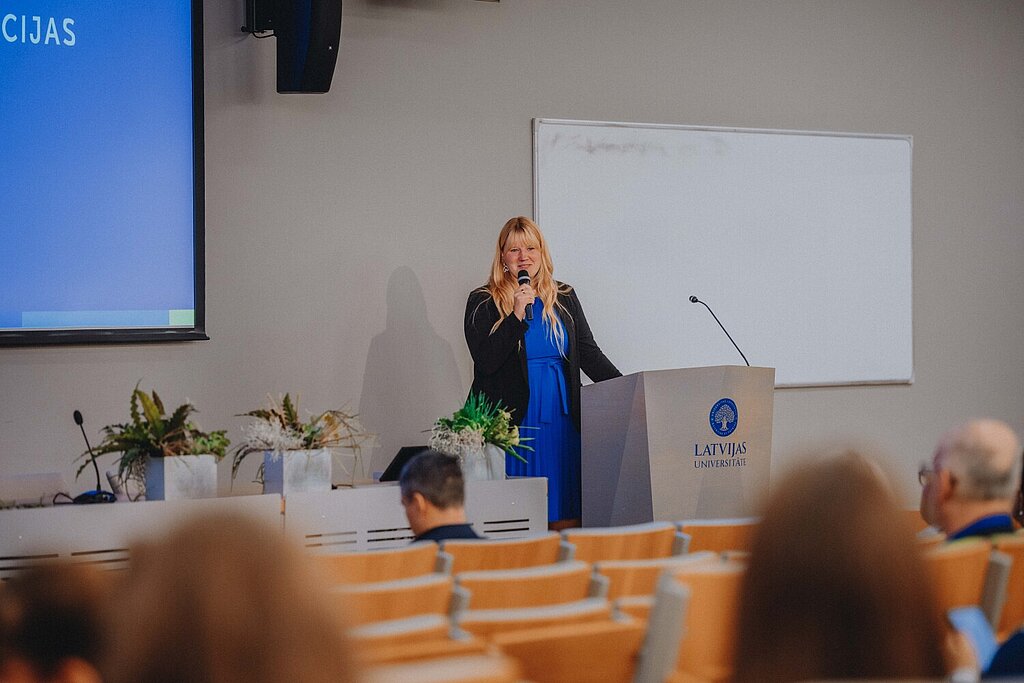
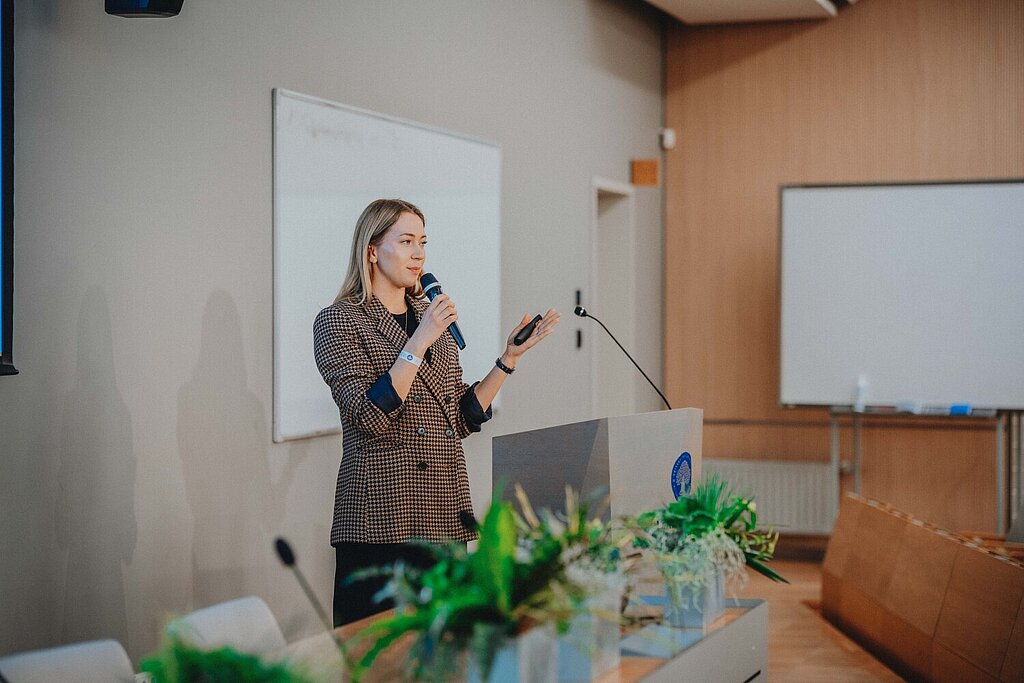

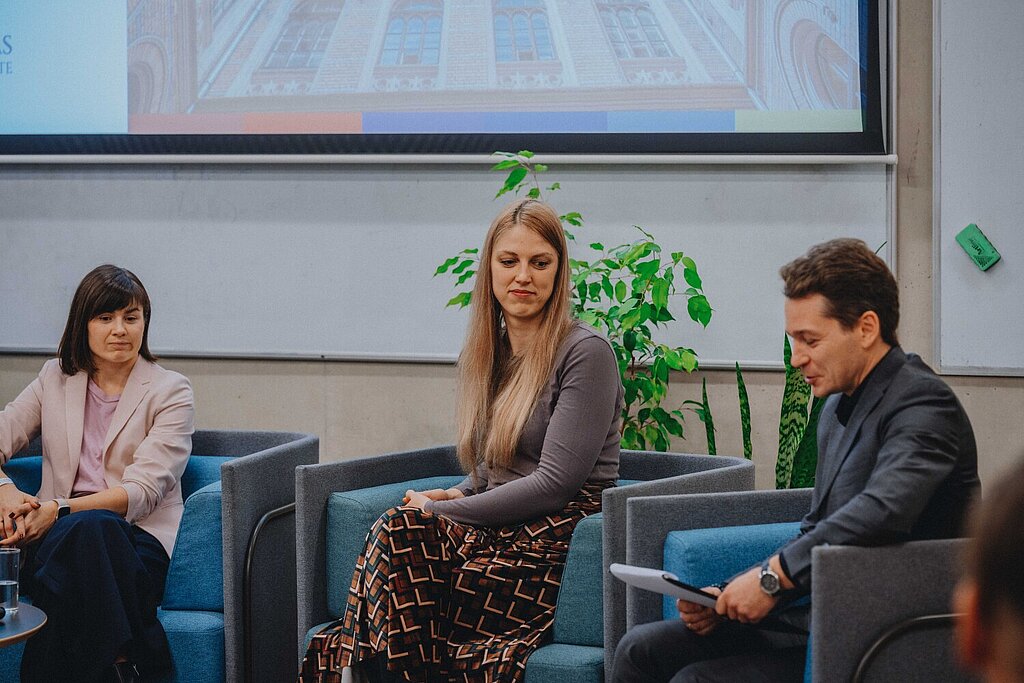
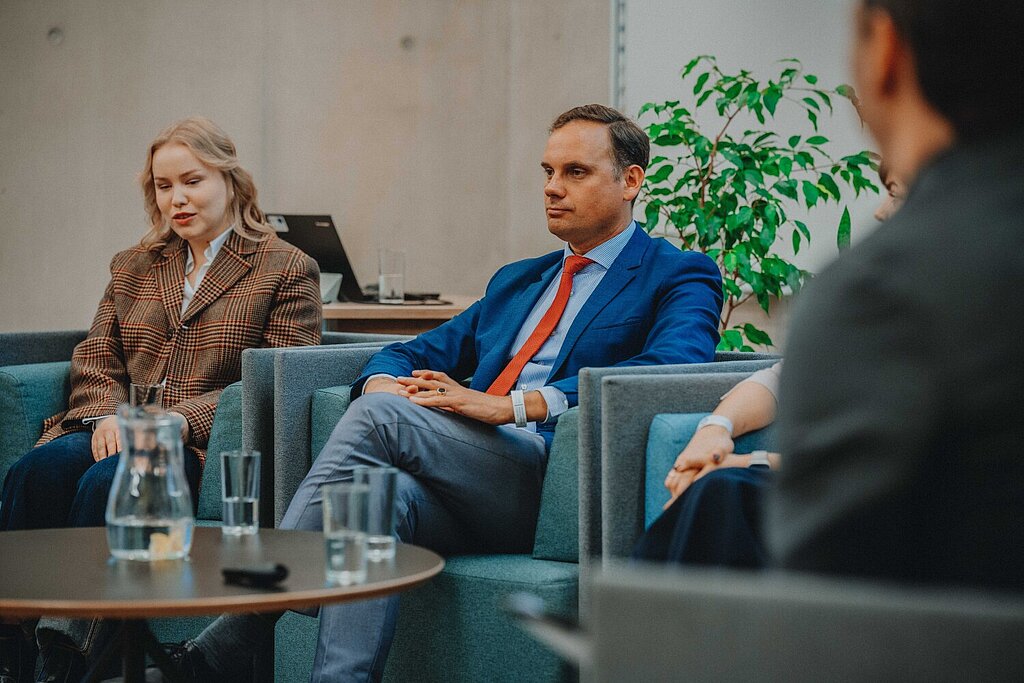
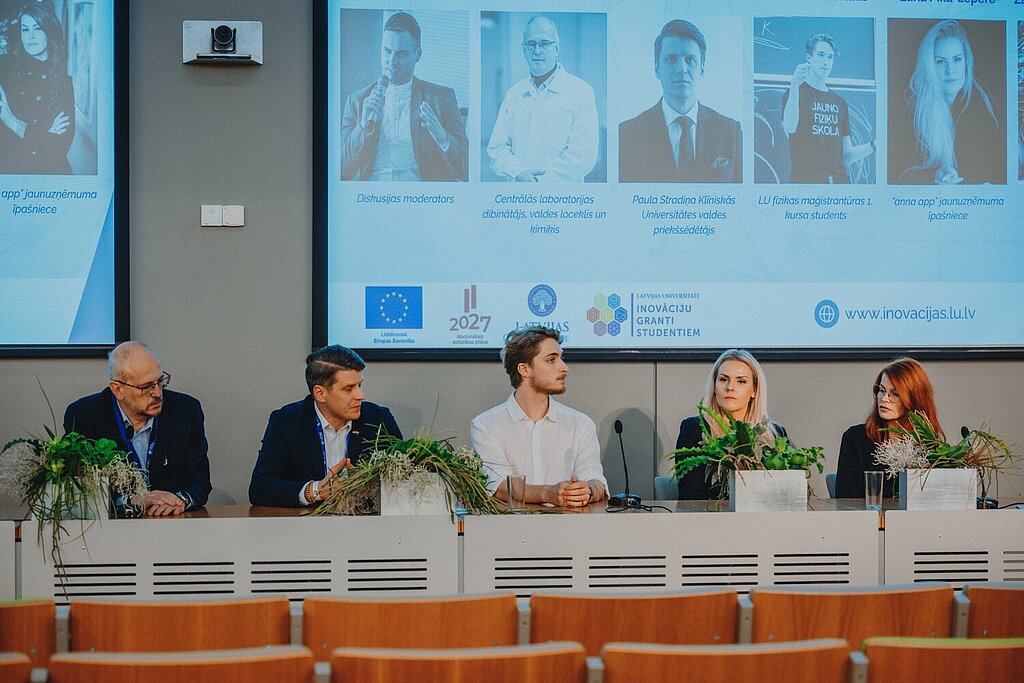
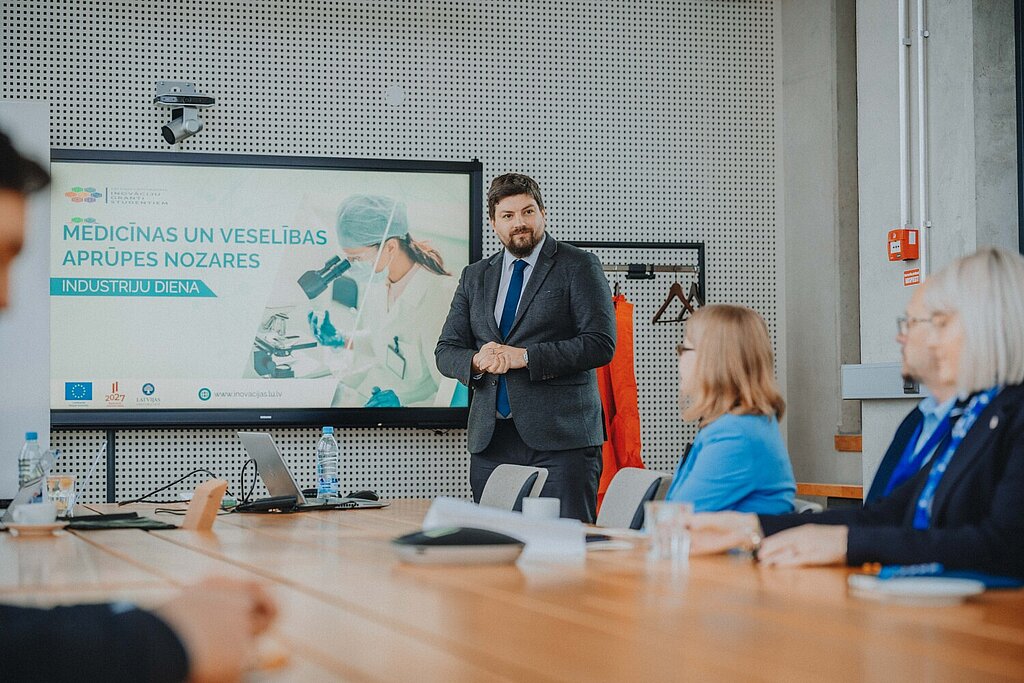
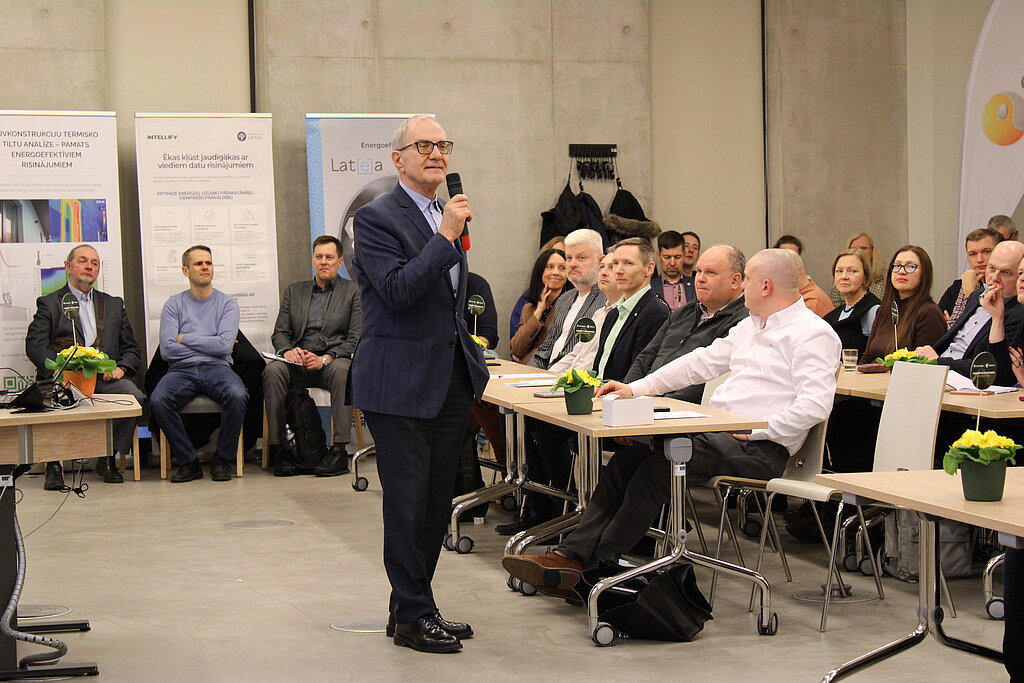
On Wednesday, 25 February, the University of Latvia (UL) hosted the Energy Industry Day at the House of Nature, bringing together students, researchers, entrepreneurs, and representatives of public institutions for a joint discussion on the sector’s development challenges and innovation opportunities.
Industry Days are an initiative of the University of Latvia aimed at creating an interdisciplinary collaboration platform between academia, the business sector, and public administration. This time, the focus was on the energy sector—one of the most strategically important areas in the context of sustainable development and climate goals.
The event was opened by UL Vice-Rector for Development Enno Ence and Chairman of the Management Board and Chief Executive Officer of Latvenergo AS, Martins Cakste, who emphasized the importance of cooperation between higher education institutions and leading industry companies to foster innovation and strengthen Latvia’s energy independence.
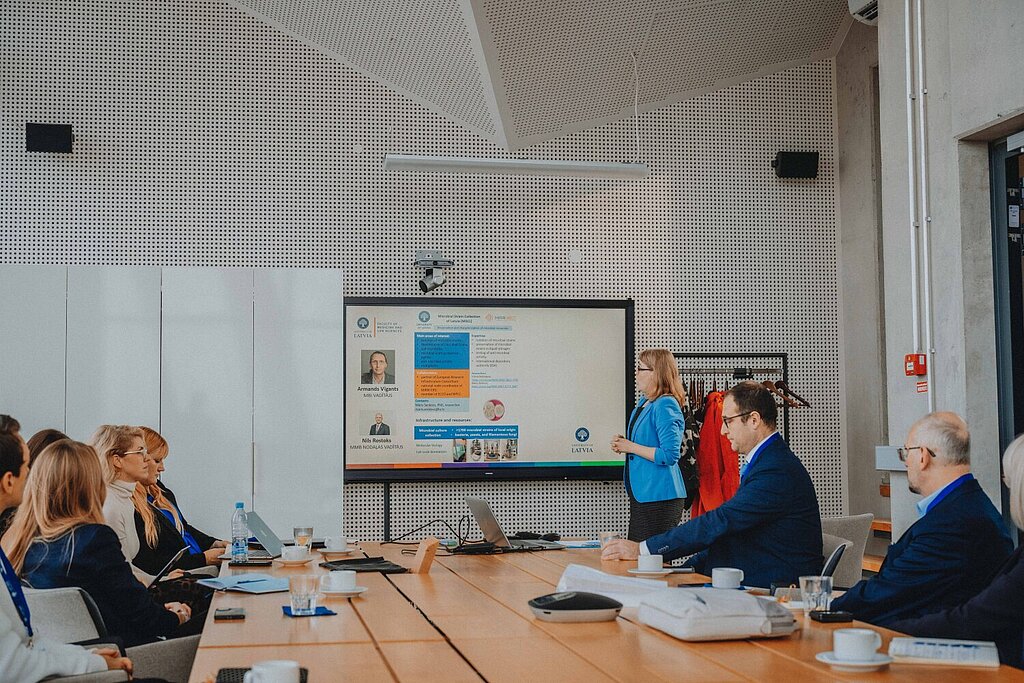
This was followed by a presentation from Aigars Ekers, Dean of the Faculty of Exact Sciences and Technologies at UL, who introduced the University’s research and innovation activities in the field of energy. Agnese Rudzate, Lead Expert in Technology and Innovation Transfer at the UL Innovation and Acceleration Centre, presented collaboration and support mechanisms available to students, researchers, and industry partners. Opportunities for funding and international cooperation in developing business ideas were presented by Katrina Duka-Gulbe, Executive Director of the Wind Energy Association, and Elita Zondaka, Director of the International Cooperation Programmes Department at the Latvian Council of Science.
The panel discussion “Future Development and Challenges of the Energy Sector” attracted significant interest. It featured Ilvija Boreiko, Member of the Management Board and Chief Development Officer at Latvenergo AS, Andris Jakovics, Leading Researcher at the UL Institute of Numerical Modelling, Aivars Starikovs, Board Member of the Latvian Hydrogen Association and Hydrogen Europe, and Liga Kurevska, State Secretary at the Ministry of Climate and Energy. The discussion addressed energy transition processes, the development of renewable energy sources, the potential of hydrogen technologies, and the role of research in strengthening competitiveness.
In the afternoon, participants engaged in practical activities. Entrepreneurs met with UL leadership and researchers, visited laboratories, and discussed potential areas of cooperation. Meanwhile, students took part in a practical workshop in collaboration with Latvenergo AS, where they analyzed common myths in the sector and discussed the realities and future opportunities of energy development.
At the conclusion of the event, students presented their ideas to industry representatives, demonstrating strong interest and readiness to contribute to the sector with innovative solutions. The event ended with a performance by the UL wind orchestra, creating a ceremonial and inspiring atmosphere that brought participants together and marked the closing of the Energy Industry Day.
The Energy Industry Day confirmed that close cooperation between universities, industry, and the public sector is a key prerequisite for sustainable development, knowledge transfer, and the creation of new, competitive solutions in the energy field.
The event is organized by the University of Latvia Innovation and Acceleration Center within the ERDF co-funded project No. 1.1.1.7/1/25/A/005 “Innovation Grants for Students of the University of Latvia.”